Humanities Summer Programs & Courses
Take your Spanish language skills to the next level, get an introduction to fiction and poetry, explore the psychology of social media, or build your knowledge with another humanities course or program. You’ll grow a deeper intercultural understanding, develop your creativity, and lay the groundwork for your studies in the humanities and beyond.
Featured Course
Global Leadership for a Sustainable Future
Asynchronous – Online
Lead change for a sustainable future. Sharpen leadership skills by exploring global challenges through an intercultural lens. Through engaging lectures, interactive projects, and two optional live sessions with peers worldwide, you will learn to design actionable solutions, evaluate environmental impact, and communicate ideas that inspire change. Get details about this course.
Humanities Summer Programs at Johns Hopkins

Pre-College Programs
Our pre-college offerings are designed to expand your mind, inspire curiosity, and facilitate discovery. They’re also a chance to accelerate your entry into college life in a fast-paced environment while earning academic credit from a top university.
Undergraduate Courses
Pursue new academic interests or tackle a required college-level course in a focused format.
Faculty Focus
Rosie Dutt Brings Big Data and Digital Ethics to Life
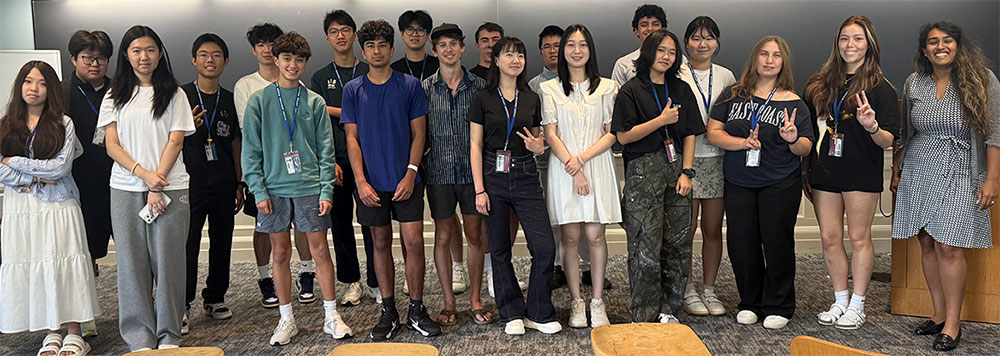
 British-born lecturer Rosie Dutt has spent the last three years traveling from her various teaching posts across the U.S. to Johns Hopkins University’s Homewood campus in Baltimore to engage with pre-college learners in the Summer at Hopkins program. As the creator and instructor of the two-week programs Big Data and Advertising and Digital Society: Big Data, Social Media, and Ethical Engagement, she introduces students from around the world to how big data shapes and influences algorithms, attitudes, and daily interactions with technology.
“The average screen time on social media for teenagers is four hours, with greater than 40% reaching eight hours a day, and this has tangible effects on them, even though many see scrolling as passive,” Dutt said. “Students often admit to a level of nomophobia – anxiety about being without a functioning cell phone or losing connectivity. My classes show them how the big data dimensions of social media, marketing, and advertising – their length of time on an app, the depths of their scrolling, and time spent looking at images – is recorded and actively shapes the algorithms on their devices.”
Students examine ethical issues surrounding surveillance, censorship, and the tracking of personal data through reviews of case studies and current global data-collection practices, such as the retinal scanning programs in Kenya and so-called “chip parties” in Scandinavia, where participants implant microchips in their wrists to open doors or pay for groceries. Alongside discussions on psychology, neuroscience, and introductory coding, students complete independent projects using public datasets, allowing them to analyze data and present insights on topics they care about.
“There’s more than enough in this space to spark curiosity in the next generation,” said Dutt, who holds graduate-level degrees in cognitive neuroscience and bioimaging sciences and a PhD in imaging science. She emphasizes critical thinking and curiosity as essential skills for navigating the future. “I want students to stay curious and think deeply. Summer at Hopkins is a fun and transformative experience, and students can never be too prepared for an ever-changing world. I value the richness and honesty of the frequently unfiltered perspectives this age group brings. The learning (and laughter!) that comes out of it is quite meaningful.”
Succeed this Summer at Hopkins
Thriving in a culturally diverse society means understanding the worldviews that shape it and how they’re influenced by language, history, law, and philosophy. Studying these subjects will help you gain invaluable insight into the mindsets of those around you.